통합 검색
통합 검색
- 작성자 관리자
- 조회수 119
1. Does Hair Transplantation Really Work?
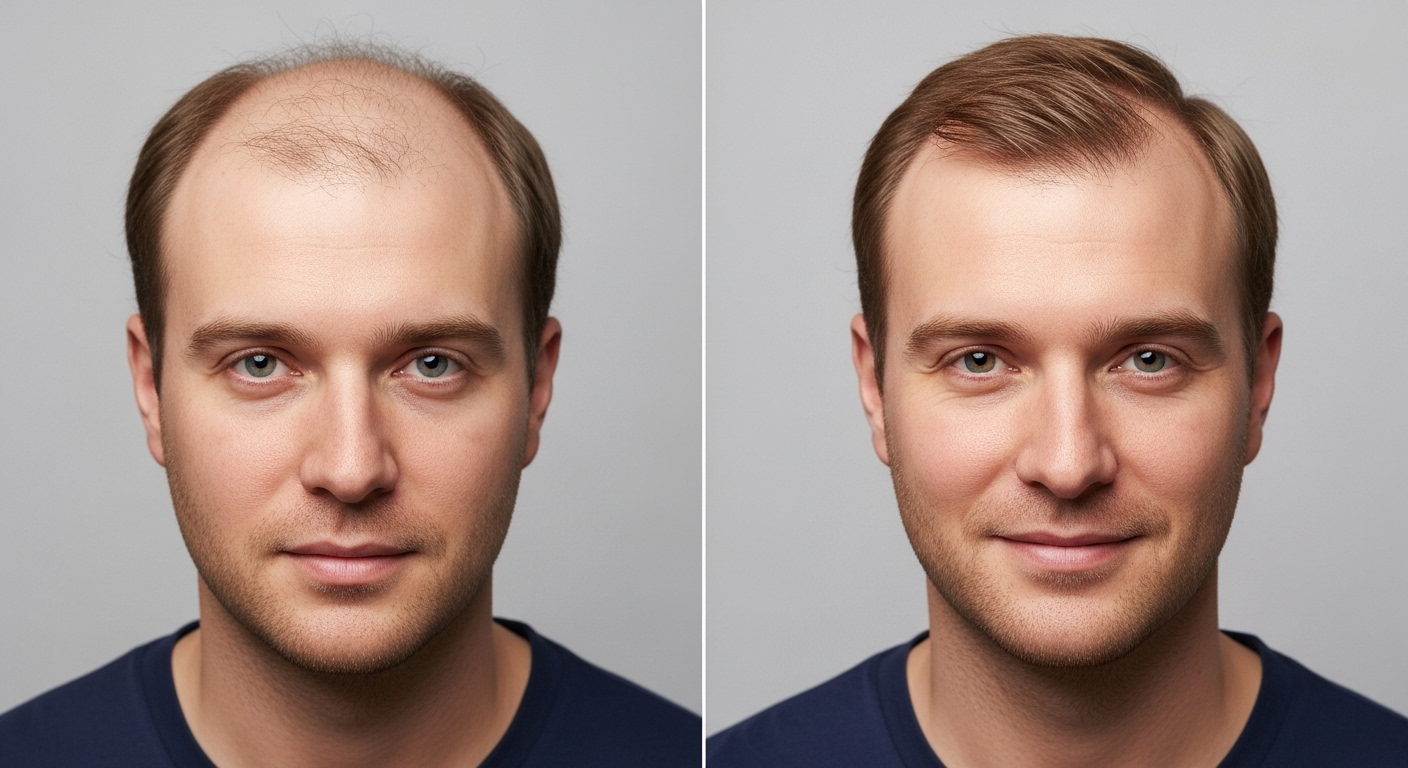
Hair transplantation is currently the most definitive treatment for hair loss. The procedure involves transplanting hair follicles from your donor area (typically the back of the head) to balding areas, and these transplanted hairs maintain their growth characteristics for life. The survival rate typically ranges from 90-95%, with noticeable results beginning to appear 3-6 months after the procedure.
2. What Are the Different Surgical Methods?
Strip Method (FUT) This technique involves removing a strip of scalp from the donor area to harvest follicles. It's suitable for extensive hair loss as it allows harvesting a large number of grafts at once, though it does leave a linear scar. The cost is relatively more affordable.
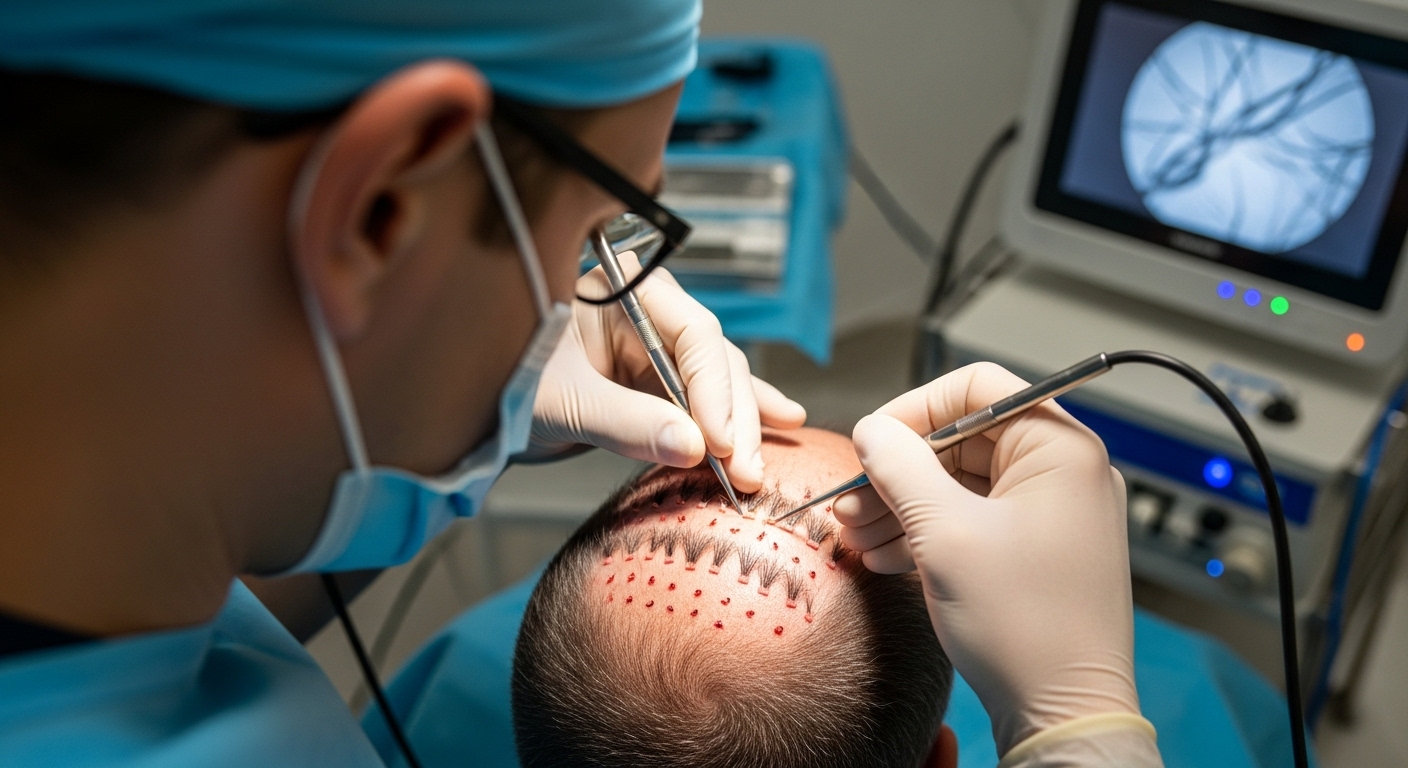
Follicular Unit Extraction (FUE) Individual follicles are extracted one by one, leaving minimal visible scarring. Recovery is faster with less discomfort, though the procedure takes longer and costs more. This method has become the preferred choice for most patients in recent years.
3. How Much Does It Cost?
Hair transplant costs are determined by the number of grafts transplanted. Typically, each graft costs between $2-4 USD, and an average procedure requiring 2,000-3,000 grafts ranges from $4,000 to $12,000. Prices vary significantly between clinics, so it's advisable to consult with multiple facilities.
4. What About Pain and Recovery Time?
The procedure is performed under local anesthesia, so pain during surgery is minimal. Post-operative swelling and mild discomfort may occur for 2-3 days but can be managed with prescribed pain medication. With FUE, patients can typically return to normal activities within a week, while FUT requires about two weeks of recovery. Shampooing is permitted starting from the third day post-surgery.
5. When Is the Best Time to Get a Hair Transplant?
Hair transplantation is possible even while hair loss is progressing, but combining it with medication is recommended if the rate of loss is rapid. Generally, the procedure is most suitable after age 30 when the hair loss pattern has stabilized. Undergoing surgery too young may necessitate additional procedures as further hair loss occurs.
6. Are There Any Side Effects?
The procedure is generally safe, but temporary side effects may include infection at the surgical site, bleeding, swelling, and itching. Rarely, transplanted hair may not grow in the desired direction, or the survival rate may be lower than expected. Most complications can be prevented by choosing experienced medical professionals and following post-operative care instructions diligently.
7. What Ensures Natural-Looking Results?
Natural hairline design is the most critical factor. Considerations include creating an irregular rather than straight line, appropriate hair density, and proper hair growth direction and angle. The aesthetic sense and technical skill of an experienced surgeon determine the outcome, so carefully review actual before-and-after cases when selecting a clinic.
8. How Should I Care for My Hair After Surgery?
The first week is crucial. Avoid physical trauma to the transplanted area and refrain from vigorous exercise that causes sweating for one month. Alcohol and smoking must be avoided, and prescribed medications should be taken consistently. To prevent hair loss in non-transplanted areas, continuing medical treatments like finasteride or minoxidil is recommended.

9. When Is a Second Procedure Necessary?
Additional surgery may be required if hair loss continues in surrounding areas after the initial transplant. It's also considered when the initial density wasn't sufficient or when coverage of a larger area is desired. Generally, a second procedure is possible one year or more after the first surgery.
10. Checklist for Choosing a Clinic
The experience and skill of the medical team are paramount. Verify the surgeon's credentials, number of procedures performed, and review actual before-and-after photographs. Be cautious of clinics with excessive advertising or suspiciously low prices. During consultations, clearly confirm the surgical plan, expected results, and costs, and compare multiple clinics before making your decision.
댓글 0